We are certified ECOLEADERS -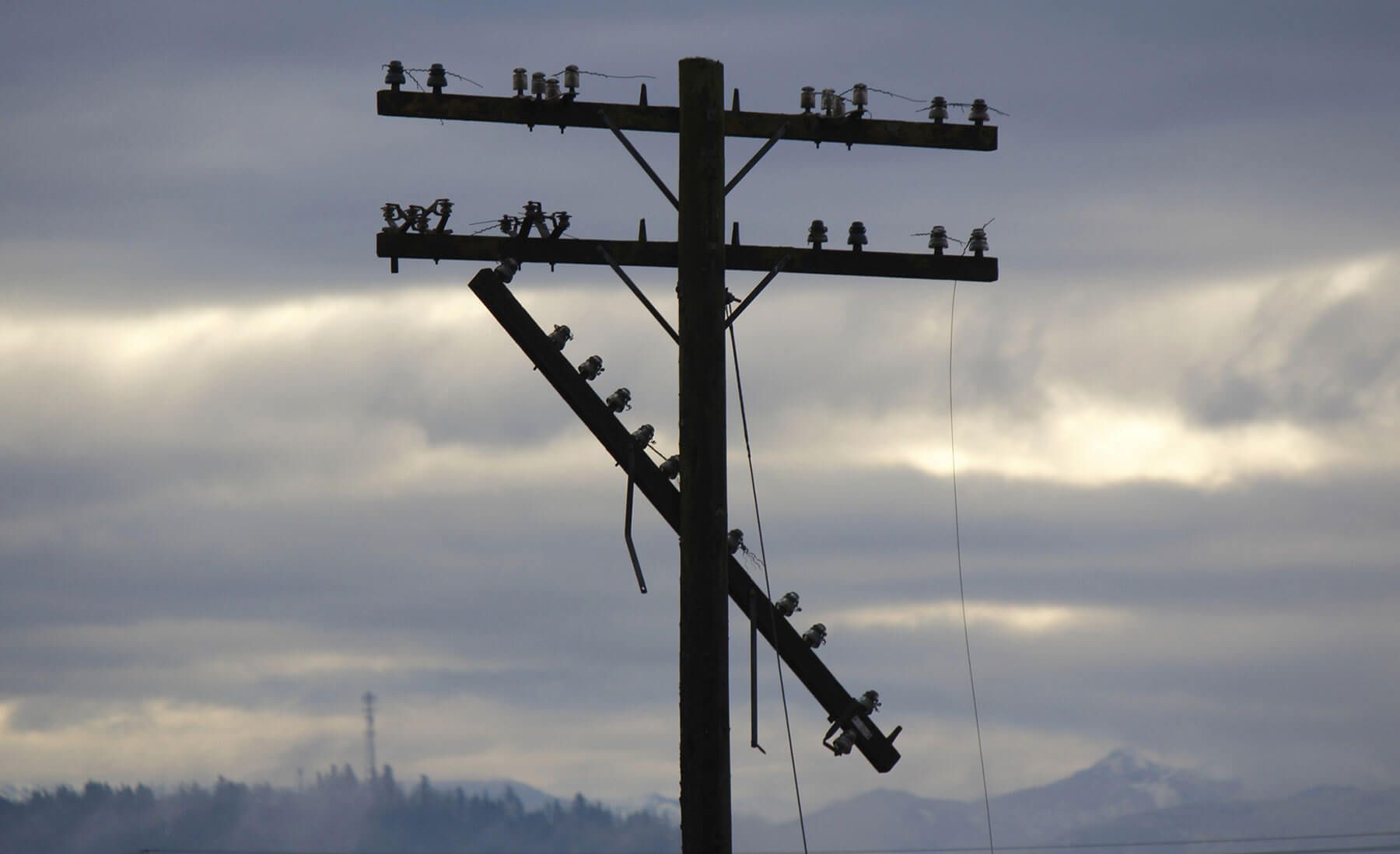
Twenty years ago, a power outage mostly meant a temporary inconvenience. Today, it’s different. The electrical grid no longer only powers lights and household appliances.
- It now supports telecommunications, servers and cloud storage, financial systems, remote work, critical infrastructure, EV charging stations, and heating systems.
Lose electricity, and you lose Internet.
Lose Internet, and communications fail — and when communications fail, entire businesses can be paralyzed. We depend on the electrical grid more than ever… yet its reliability is declining.
Outage duration has more than doubled in one year
According to data published by Hydro-Québec, the average annual outage duration per customer increased from approximately 5 hours 45 minutes in 2021 to more than 14 hours in 2022. This increase cannot be explained solely by an exceptional storm. It points to a structural vulnerability.
https://www.qub.ca/article/hydro-la-duree-des-pannes-a-plus-que-double-en-un-an-1098379892
Why is this happening?
1. Aging infrastructure
A significant portion of the grid relies on equipment approaching — or exceeding — its useful service life. Replacement programs are progressing, but not always at the pace required. A shortage of specialized labor also complicates maintenance and lengthens response times.
Result: more corrective interventions, fewer preventive ones.
2. Rear-lot distribution networks and accessibility
In many neighborhoods, electrical infrastructure is located behind properties — surrounded by trees, pools, sheds, and fences. Access for maintenance becomes difficult. Repairs take longer. When upkeep becomes too complex, reliability declines.
« The objective should be to intervene every 10 to 20 years, not every year. »
3. Climate change
Episodes of heavy rain and strong winds are becoming more frequent. Events that were once exceptional are now recurring. Infrastructure designed decades ago must now withstand extreme conditions far more often.
Climate pressure accelerates wear and failure.
What if tomorrow’s energy resilience depended as much on homes as on power plants?
We depend more than ever on the grid, while outages are lasting longer and infrastructure is aging. The centralized model is reaching its limits.
With micro-islanding and residential energy storage, homes can become more autonomous.
Modernizing the distribution network is becoming essential.