We are certified ECOLEADERS -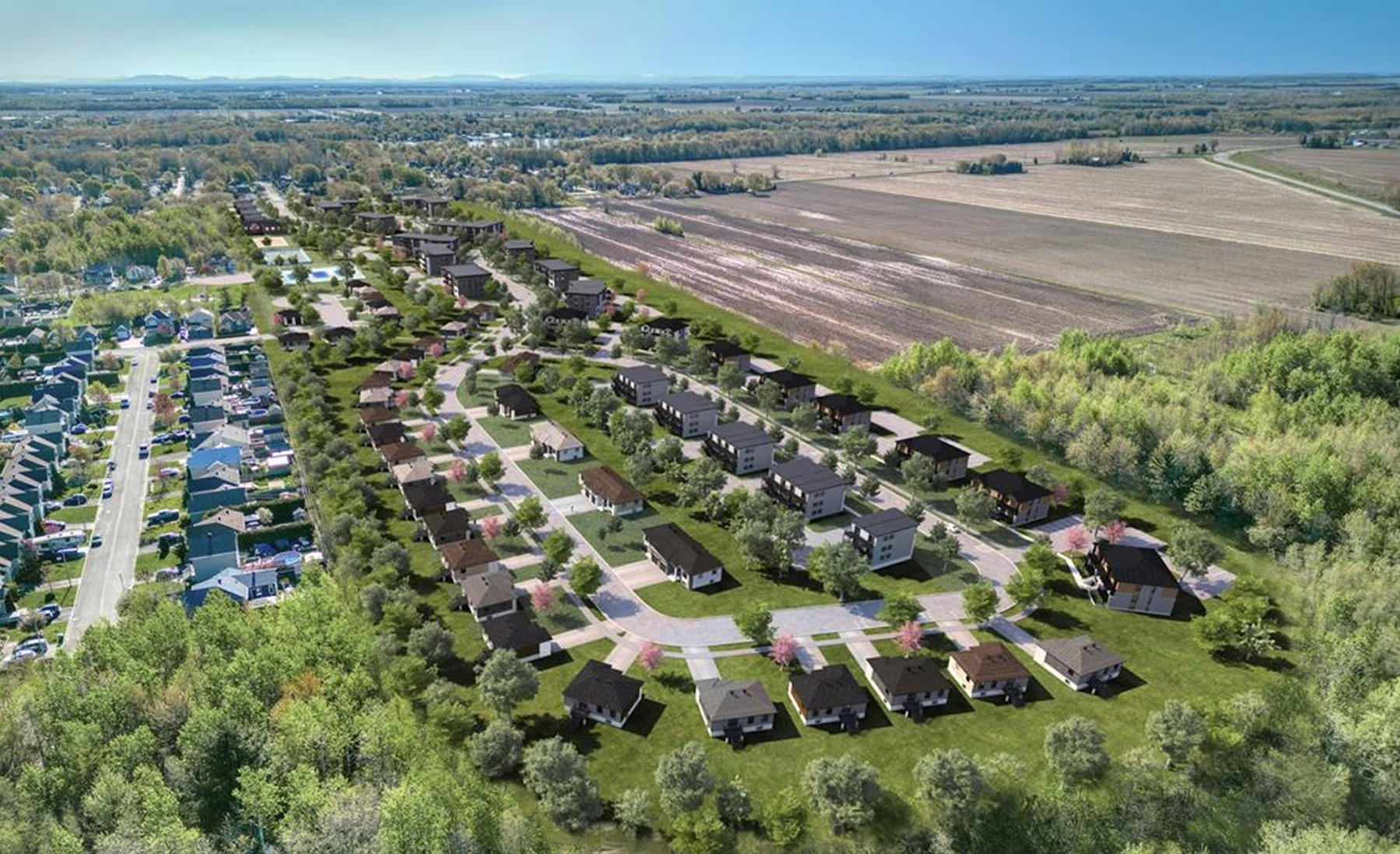
We’ve got the wind in our sails in Saint-Jean-sur-Richelieu. More than 200 MCM pedestals are already in place there, and more are on the way with Faubourg du Sud, a brand-new neighbourhood of about 400 units.
Kudos to the City of Saint-Jean-sur-Richelieu and the project’s developer for their vision: integrating everything, right from the start.
The project
Located on the west bank of the Richelieu River, Faubourg du Sud will bring together single-family homes, multi-unit residential buildings and a daycare centre (CPE) in a brand-new, family-friendly neighbourhood.
Everything underground, everything inside the streetlight
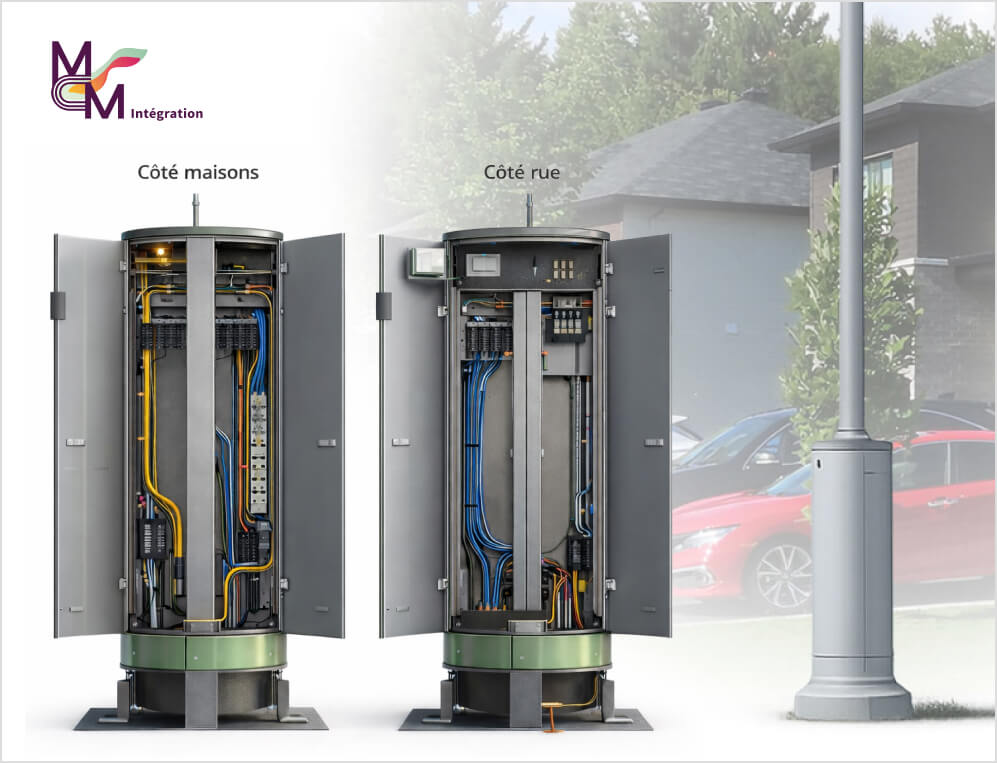
In Faubourg du Sud, the utility network will be entirely underground. MCM JDP pedestals bring electrical and telecom connections together right in the base of the streetlights.
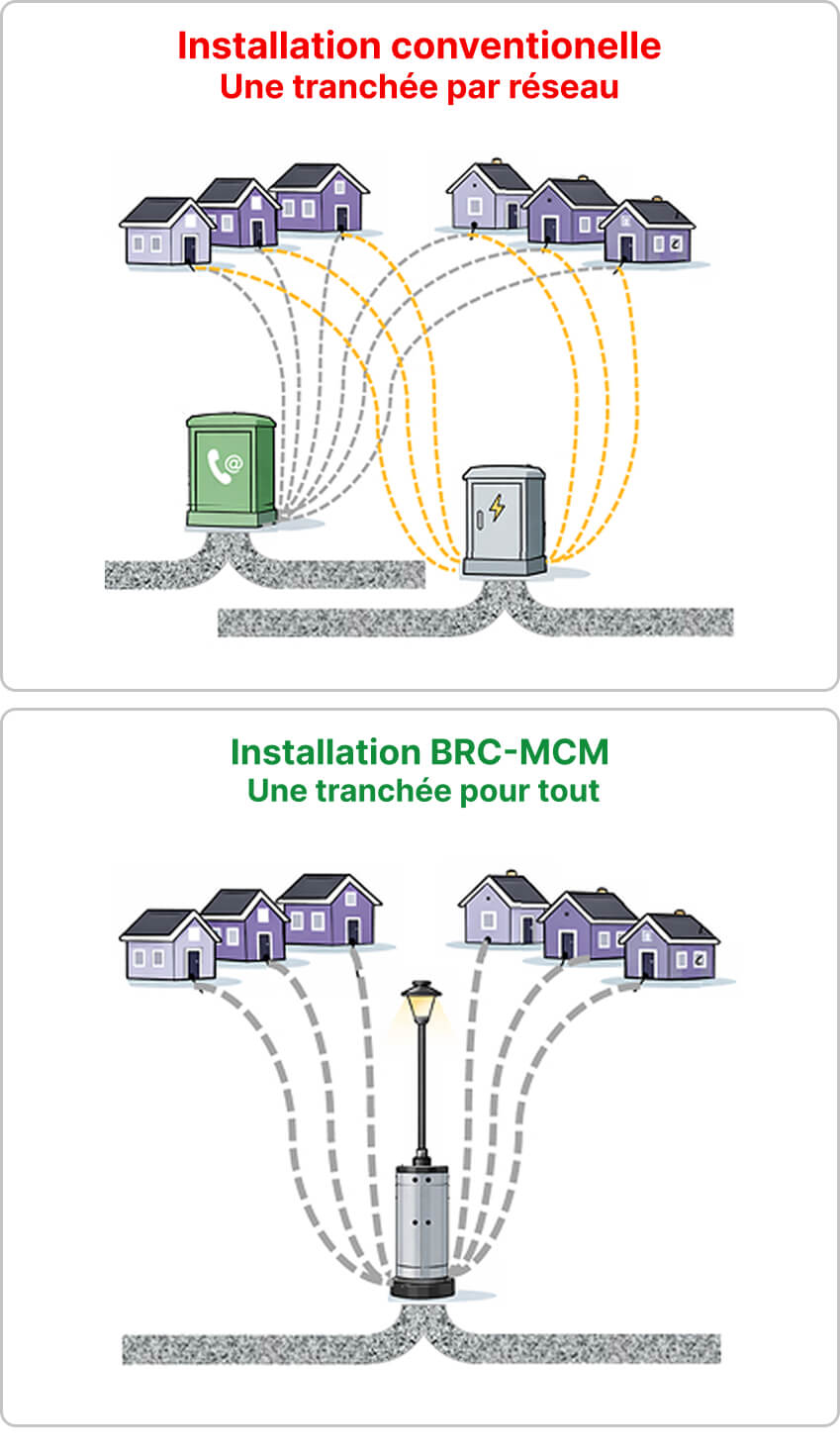
The result: no boxes cluttering the neighbourhood, and wiring kept to a minimum.
A Beautiful Neighbourhood, Built for the Future
With no mismatched boxes scattered here and there, Faubourg du Sud will be a pleasure to look at. Everything will be neatly organized beneath the streetlights, easy to access and with no easements required. It’s the best way to do things, today and for the future.
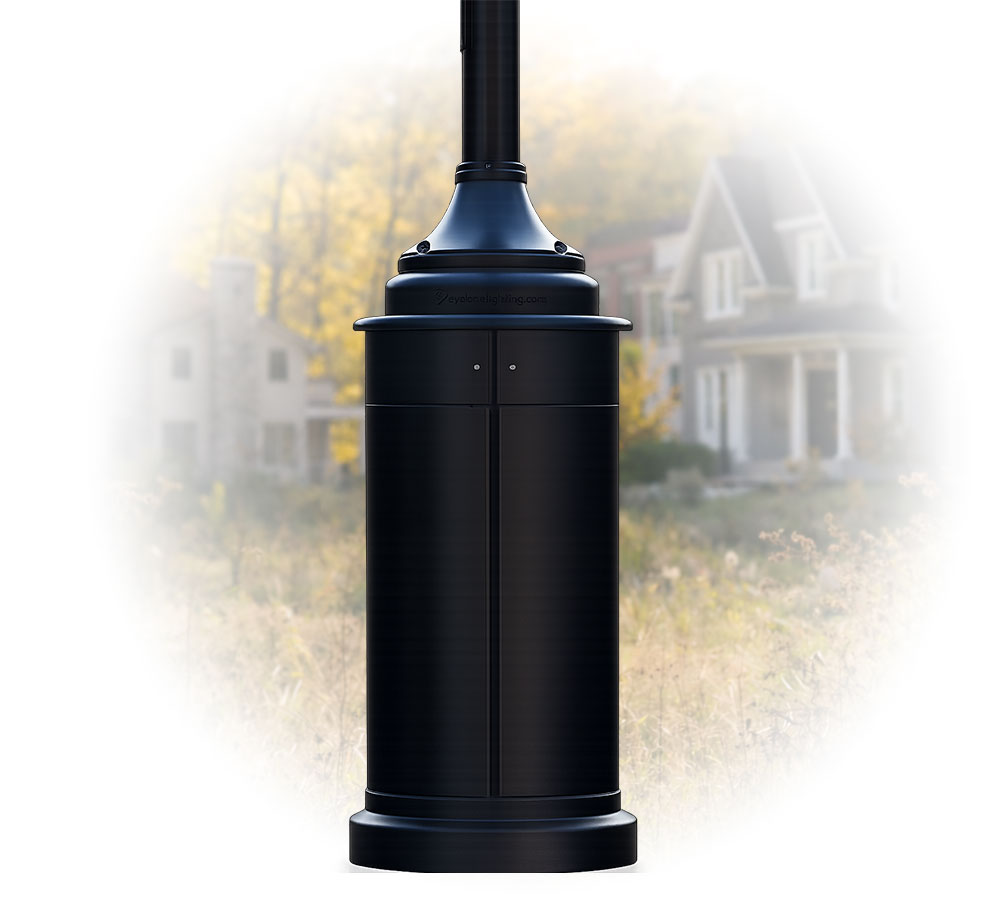
A project made possible by the advantages of the MCM JDP:
- One pedestal serves 8 or more customers, with built-in 120/240 V power and fibre/cable telecom connections
- A single trench for both power and telecom
- No easements needed: everything sits within the public right-of-way
- Easy maintenance access, right beneath the streetlight
- Optimized costs and fewer outages
- Approved by Hydro-Québec (Standard B.41.21)
Planning a new neighbourhood? Book a discovery call with MCM.
Sources :